Fine Dining Experience with Traditional Indian Dishes
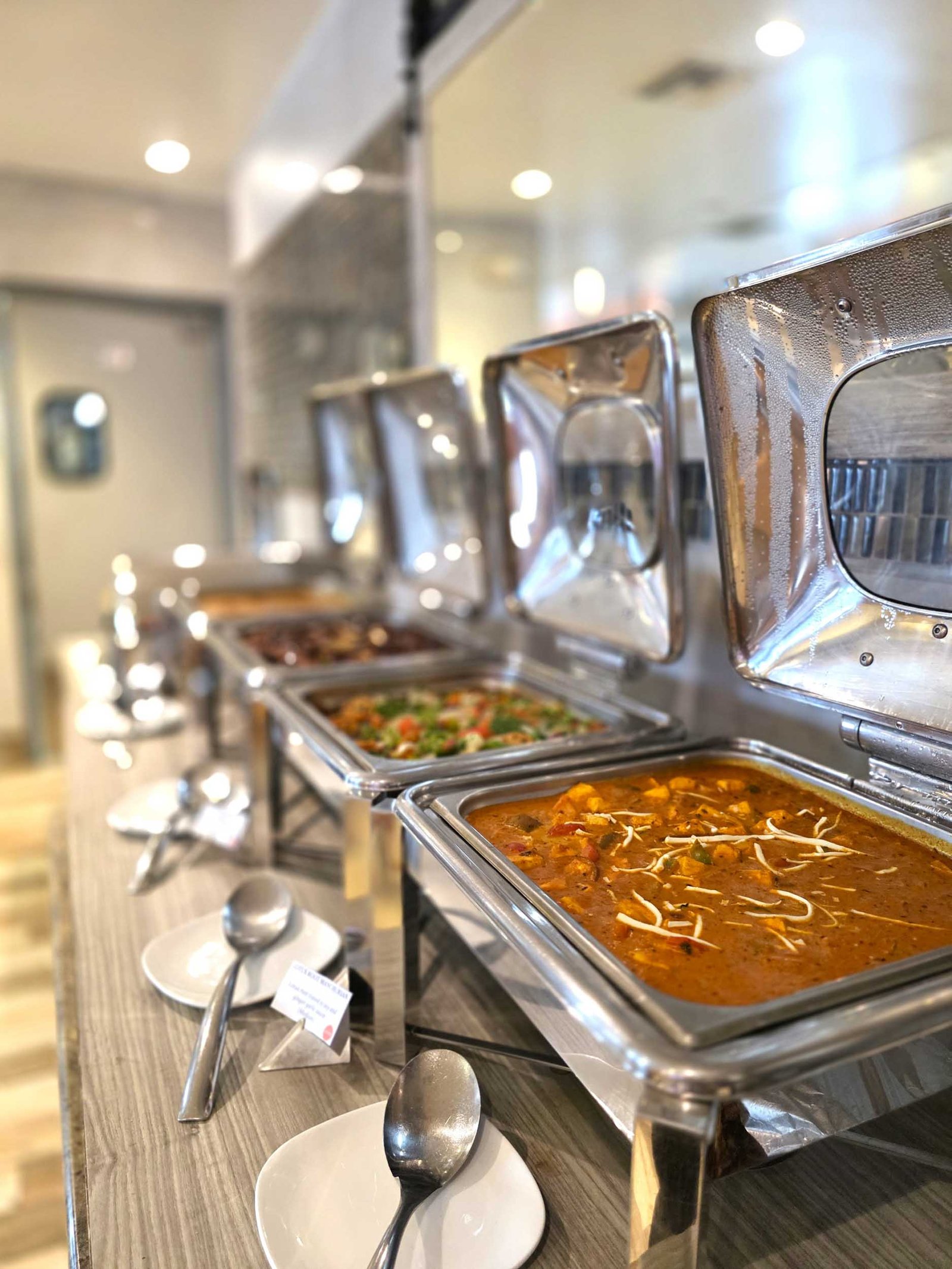
Embarking on a fine dining journey with traditional Indian dishes offers a rich tapestry of flavors, aromas, and textures that are both exotic and comforting. The art of Indian cuisine lies in its ability to balance diverse spices and ingredients, creating dishes that are as visually appealing as they are flavorful. This culinary art is a testament to India’s cultural diversity, with each region contributing its unique spin to the national palate. Dining at an establishment renowned for its authentic Indian offerings can elevate this experience, transforming a meal into an unforgettable culinary journey.
An Introduction to Indian Fine Dining
Fine dining in the Indian tradition transcends mere eating; it is an immersive experience. The ambience is carefully curated to complement the meal, featuring decor that reflects India’s rich heritage. The dining experience is enhanced by attentive service and a menu that often features a curated selection of courses, each meticulously prepared.
Key Elements of a Fine Dining Experience
- Elegant Ambience: The setting should evoke the essence of Indian culture, often through traditional music, art, and decor.
- Exceptional Service: The staff is trained to anticipate diners’ needs and provide a seamless dining experience.
- Curated Menus: Menus often feature a selection of regional specialties, offering a culinary tour of India.
For those interested in exploring these elements in greater detail, discover expert strategies here to enhance your understanding of Indian fine dining.
Signature Dishes that Define Indian Cuisine
Traditional Indian dishes offer a diverse range of flavors, from the rich and creamy to the spicy and aromatic. Each dish tells a story of regional history and cultural influence, providing a sensory journey for diners.
Popular Traditional Dishes
- Butter Chicken: A creamy, tomato-based dish that exemplifies North Indian cuisine.
- Biriyani: A fragrant rice dish cooked with spices, meat, or vegetables, popular across India.
- Paneer Tikka: Grilled chunks of paneer marinated in spices, a vegetarian delight.
For a deeper dive into these dishes, explore advanced guides and tips that highlight the nuances of preparation and presentation.
The Role of Spices in Indian Cuisine
Spices are the cornerstone of Indian cooking, providing not just flavor but also health benefits. The art of blending spices is a skill passed down through generations, with each cook adding their signature twist.
Commonly Used Spices
- Turmeric: Known for its vibrant color and medicinal properties.
- Cumin: Adds a warm, earthy flavor to dishes.
- Coriander: Used in both seed and leaf form, it offers a fresh, citrusy flavor.
To learn more about how these spices are used to create complex flavor profiles, find out more about this approach and the cultural significance behind them.
Bringing Authenticity to the Table
Authenticity is key when it comes to traditional Indian dining. This involves not only using the right ingredients but also adhering to traditional cooking methods that have been perfected over centuries.
Essentials for Authentic Indian Dining
- Use of traditional cooking techniques such as tandoor and slow cooking.
- Incorporation of regional ingredients that reflect the diversity of Indian cuisine.
- Presentation that respects traditional styles while adding a modern twist.
For those keen to experience authentic Indian cuisine, learn about our tailored solutions designed to bring the richness of Indian flavors to your table.
In conclusion, a fine dining experience with traditional Indian dishes offers more than just a meal. It is a journey through India’s culinary heritage, an exploration of flavors, and a celebration of culture and tradition. For those seeking to immerse themselves in this experience, a visit to an establishment that honors these traditions is essential.