Essential Guide to Construction Project Management Plans
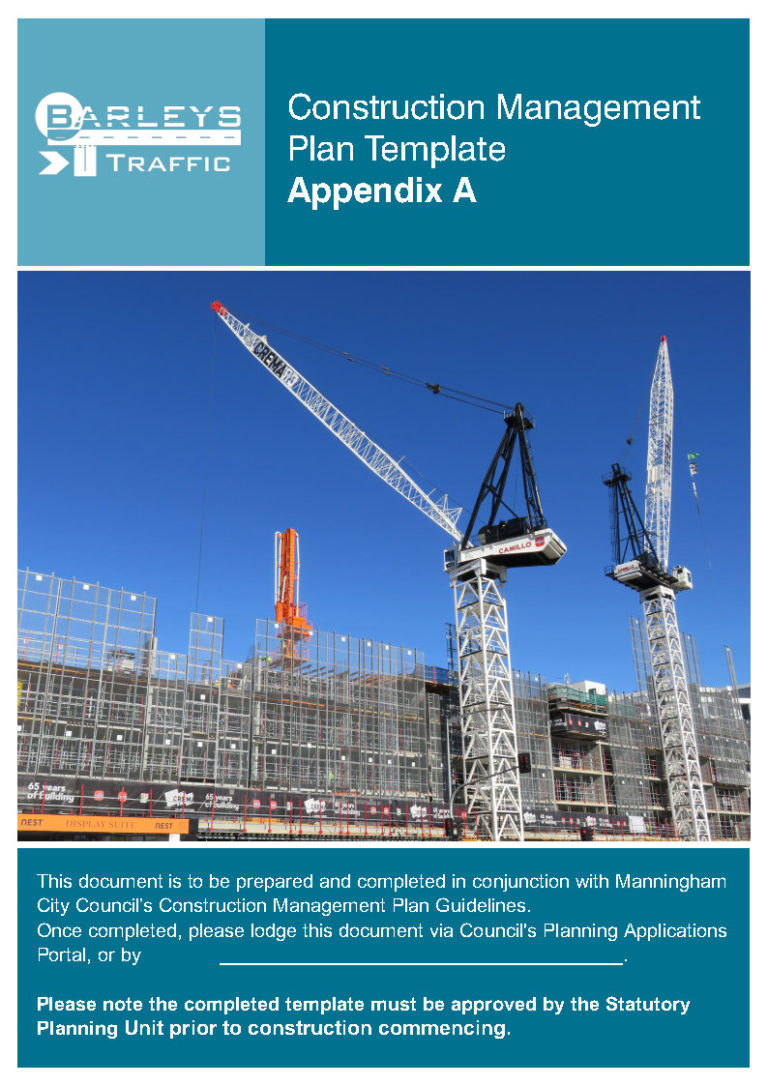
The construction industry is a complex ecosystem involving a myriad of professionals, resources, and processes. At the core of successfully navigating this intricate landscape is a robust construction project management plan. Such a plan is not merely a guideline but an essential tool that orchestrates the multifaceted aspects of a construction project, ensuring that all components work harmoniously towards timely and cost-effective completion. Understanding the essential elements of a construction project management plan is crucial for stakeholders looking to optimize their project outcomes.
What is a Construction Project Management Plan?
A construction project management plan is a comprehensive document that outlines the roadmap for a construction project from inception to completion. It serves as a blueprint that defines the scope, schedule, budget, quality standards, and risk management strategies. By detailing these components, the plan provides a structured approach to manage resources, timelines, and costs effectively.
Key Components of a Construction Project Management Plan
1. Project Scope
Defining the project scope is the first step in creating a successful management plan. It includes:
-
- Clear objectives and deliverables
-
- Detailed descriptions of project requirements
-
- Defined boundaries to prevent scope creep
A well-defined scope ensures that all stakeholders have a unified understanding of the project’s goals and limitations.
2. Schedule Management
The schedule outlines the timeline for project activities, establishing deadlines and milestones. Effective schedule management involves:
-
- Creating a detailed timeline with phases and tasks
-
- Identifying critical path activities
-
- Allocating resources efficiently to ensure timely completion
Adjustments to the schedule should be documented and communicated promptly to maintain project momentum.
3. Budgeting and Cost Management
Budgeting is a critical component that requires meticulous planning and monitoring. Key aspects include:
-
- Initial cost estimation and allocation
-
- Continuous cost tracking and variance analysis
-
- Implementing cost control measures to address overruns
Cost management ensures that the project remains financially viable and aligns with financial goals.
4. Quality Assurance
Maintaining quality standards is paramount in construction projects. A quality assurance plan should cover:
-
- Defined quality metrics and benchmarks
-
- Regular testing and inspection protocols
-
- Remediation strategies for non-compliance
Ensuring high-quality outcomes not only enhances client satisfaction but also mitigates risks associated with defects.
5. Risk Management
Risk management plans identify potential risks and outline mitigation strategies. This includes:
-
- Conducting risk assessments and prioritization
-
- Developing contingency plans for high-priority risks
-
- Regularly reviewing and updating the risk management plan
Proactive risk management minimizes the impact of unforeseen events on the project timeline and budget.
Implementing a Construction Project Management Plan
Successful implementation of a construction project management plan requires collaboration among all project stakeholders. It involves regular communication, performance tracking, and adapting the plan as necessary to address any changes or challenges. Utilizing project management software can significantly enhance the efficiency of plan implementation by providing real-time updates and facilitating seamless collaboration.
Conclusion
A well-crafted construction project management plan serves as the backbone of any successful construction project. By systematically addressing the scope, schedule, budget, quality, and risks, such plans ensure that projects are executed efficiently and effectively. Stakeholders who invest time and effort into developing comprehensive management plans are better equipped to navigate the complexities of the construction industry and achieve project success.