Understanding Skin Cancer: Your GP’s Role
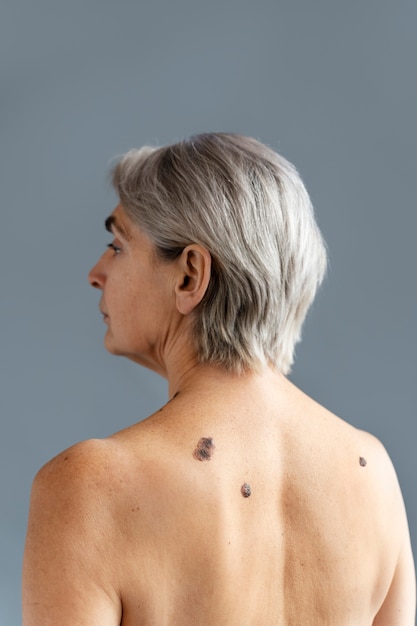
Skin cancer is one of the most common types of cancer, yet it is also one of the most preventable and treatable when detected early. Understanding the role of your General Practitioner (GP) in the diagnosis and management of skin cancer is crucial in ensuring prompt and efficient treatment. A GP is often the first point of contact for individuals concerned about changes in their skin, making their role pivotal in the early detection and management of skin cancer.
The Importance of Early Detection
Early detection of skin cancer significantly increases the chance of successful treatment. Regular skin checks and awareness of the signs and symptoms can lead to early intervention, which is crucial in managing skin cancer effectively.
Signs and Symptoms to Watch For
- New growths or sores that do not heal
- Changes in existing moles, such as size, shape, or color
- Itching, tenderness, or pain in a particular area of the skin
- Redness or swelling beyond the border of a mole
Your GP’s Role in Skin Cancer Management
A skin cancer GP plays a vital role in the early detection, diagnosis, and management of skin cancer. They are trained to recognize suspicious skin lesions and determine whether further investigation is necessary. Here are some key responsibilities your GP may undertake:
Initial Assessment and Diagnosis
- Conducting a thorough skin examination
- Identifying suspicious lesions that may require further testing
- Performing dermatoscopy to examine skin lesions more closely
Referral and Treatment
In cases where a suspicious lesion is identified, your GP may refer you to a dermatologist or a specialist for further evaluation. Treatment options often depend on the type and stage of the skin cancer, but can include:
- Surgical excision to remove the lesion
- Cryotherapy to freeze and destroy abnormal cells
- Topical treatments for superficial skin cancers
Ongoing Monitoring and Support
After treatment, regular follow-ups are essential to monitor for any signs of recurrence. Your GP will guide you in implementing preventive measures to reduce the risk of skin cancer, such as:
- Using sunscreen with an SPF of 30 or higher
- Wearing protective clothing and hats when outdoors
- Avoiding sun exposure during peak hours
Conclusion
Understanding the role of your GP in managing skin cancer is crucial for effective prevention and treatment. By regularly visiting your GP for skin checks and being aware of the signs and symptoms of skin cancer, you can take proactive steps in safeguarding your skin health. For more information on how a GP can assist with skin cancer, consider visiting a reputable source on skin cancer GP.