Top-notch Backflow Testing and Repair
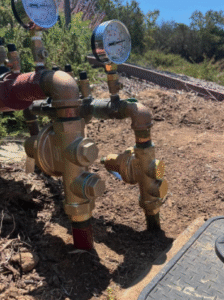
Backflow prevention is an essential aspect of maintaining clean and safe water systems. Backflow occurs when contaminated water flows in the reverse direction, which can lead to pollution of potable water supplies. Regular backflow testing and repair are crucial to ensure that water systems function correctly and safely. This article delves into the intricacies of backflow testing and repair, highlighting its significance and the best practices involved in executing these processes effectively.
Understanding Backflow and Its Implications
Backflow can lead to serious health risks and costly damages if not addressed promptly. It typically occurs in situations involving cross-connections between potable water and non-potable sources. The main types of backflow are:
- Backpressure: Occurs when the downstream pressure exceeds the supply pressure, often due to pumps or high-pressure systems.
- Backsiphonage: Happens when a negative pressure in the water supply line draws in contaminants from the connected system.
Effective backflow prevention measures are essential for safeguarding public health and maintaining the integrity of water systems. Learn more in this detailed guide.
The Importance of Regular Backflow Testing
Why Testing is Necessary
Regular backflow testing is crucial for ensuring that prevention devices function as intended. Testing involves a thorough examination of backflow prevention assemblies to verify their operational efficiency. Key reasons for regular testing include:
- Compliance with local and national plumbing codes and regulations.
- Early detection of potential failures or malfunctions in the system.
- Prevention of water quality degradation and health hazards.
Regular testing ensures that any issues are identified and resolved before they escalate into significant problems. Explore further insights here.
Backflow Repair: Addressing Issues Promptly
Common Backflow Device Issues
Backflow devices, like any other mechanical systems, can develop issues over time. Common problems include:
- Valve malfunctions due to wear and tear.
- Build-up of debris causing blockages.
- Corrosion of components, impairing functionality.
Timely repair is essential to restore the system’s effectiveness and prevent contamination. Read more about this topic.
Best Practices for Backflow Repair
Repairing backflow devices requires expertise and adherence to industry standards. Best practices include:
- Conducting a comprehensive assessment to determine the extent of the issue.
- Using high-quality replacement parts to ensure durability.
- Following manufacturer guidelines and local regulations during repairs.
Professionals should be engaged to handle repairs, ensuring compliance and optimal performance of the backflow prevention systems. Find additional information here.
Conclusion: Ensuring Safe Water Systems
Backflow testing and repair are vital components of water system management. Regular testing and prompt repair of backflow prevention devices help maintain water quality and protect public health. By understanding the importance of these processes and adhering to best practices, water system operators can ensure safe and efficient operation. For more information on maintaining robust water systems, explore further insights here.