Top Benefits of Steel Roofing: Durability, Energy Efficiency, and Longevity
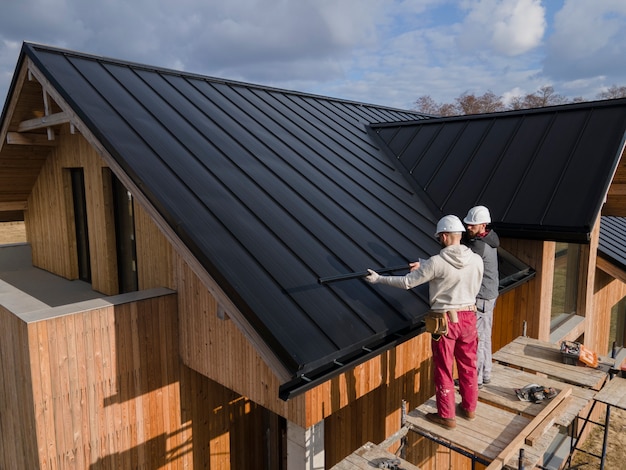
When it comes to choosing materials for roofing, steel roofing stands out due to its numerous advantages. Known for its robustness and sustainability, steel roofing is increasingly becoming a preferred choice for residential and commercial buildings. This article explores the top benefits of steel roofing, focusing on three key aspects: durability, energy efficiency, and longevity. These attributes not only enhance the value of a building but also contribute to a sustainable future.
Durability: Withstanding the Elements
Steel roofing is renowned for its unparalleled durability. This strength is particularly advantageous in areas prone to extreme weather conditions. Here?s why steel roofing is considered a durable option:
- Weather Resistance: Steel roofs are designed to withstand harsh weather, including heavy rain, snow, and high winds.
- Impact Resistance: They offer excellent protection against hail and debris, minimizing the risk of damage.
- Fire Resistance: Steel is non-combustible, providing an added layer of safety against fire hazards.
The resilient nature of steel ensures that roofs maintain their integrity over time, reducing the need for frequent repairs and replacements. To learn more about the advantages of steel roofing, consider exploring further resources.
Energy Efficiency: Reducing Utility Costs
Energy efficiency is a critical factor in building design, and steel roofing contributes significantly to reducing energy consumption. Here are some ways it achieves this:
- Reflective Coatings: Steel roofs can be coated with reflective materials that reduce heat absorption, keeping buildings cooler during hot weather.
- Thermal Performance: The reflective properties of steel roofing help in minimizing the reliance on air conditioning, leading to lower energy bills.
- Insulation Compatibility: Steel roofing works well with insulation systems, enhancing the overall thermal performance of the structure.
These features not only lower energy costs but also contribute to reduced carbon emissions, aligning with global efforts towards sustainability. For more detailed information on how steel roofing can improve energy efficiency, consider the insights from relevant steel roofing solutions.
Longevity: A Long-Term Investment
One of the most compelling advantages of steel roofing is its longevity. Unlike other roofing materials that may require replacement after a couple of decades, steel roofing can last much longer, often over 50 years. Here?s why:
- Corrosion Resistance: Modern steel roofing is treated with anti-corrosive coatings, ensuring it withstands rust and corrosion for many years.
- Minimal Maintenance: Steel roofs require minimal maintenance, further extending their lifespan and reducing long-term costs.
- Recyclability: At the end of its life, steel roofing can be recycled, making it an environmentally friendly option.
This longevity makes steel roofing a cost-effective choice in the long run, providing peace of mind to property owners. For those interested in sustainable and durable roofing options, understanding the benefits of steel roofing is essential.
Conclusion
Steel roofing offers a compelling combination of durability, energy efficiency, and longevity, making it an ideal choice for both residential and commercial properties. Its ability to withstand extreme weather, contribute to energy savings, and offer a long lifespan ensures that it stands out as a superior roofing material. For those seeking a roofing solution that promises performance and sustainability, steel emerges as a top contender. Explore the possibilities of steel roofing to ensure a resilient and efficient building design.