Cutting-Edge HVAC Technology Solutions
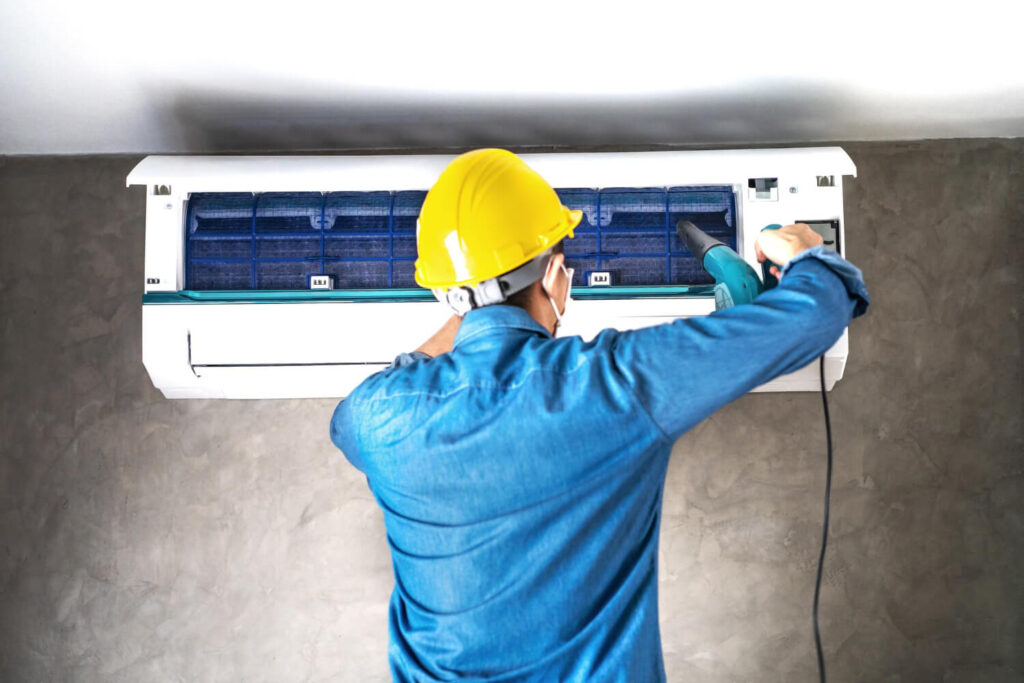
The heating, ventilation, and air conditioning (HVAC) industry has continuously evolved, integrating advanced technology to improve efficiency and comfort. As the world prioritizes energy conservation and environmental sustainability, cutting-edge HVAC technology solutions are at the forefront of this transformation. These innovations not only enhance the functionality of HVAC systems but also offer significant benefits in terms of cost savings and environmental impact. This article explores some of the most innovative HVAC technologies, their features, and their benefits.
Smart Thermostats and IoT Integration
Smart thermostats have become a staple in modern HVAC systems, allowing users to control their home climate remotely via smartphones or other connected devices. These devices utilize the Internet of Things (IoT) to provide real-time data and analytics, enabling optimized energy usage and cost savings.
- Remote access and control from anywhere in the world.
- Learning algorithms that adapt to user preferences and schedules.
- Integration with other smart home devices for comprehensive automation.
For those interested in optimizing their home environment, learn more in this detailed guide on smart thermostats and IoT integration.
Geothermal Heat Pumps
Geothermal heat pumps are a revolutionary technology that utilizes the earth’s stable underground temperature to heat and cool buildings. This method is highly efficient and sustainable, offering a cleaner alternative to traditional HVAC systems.
Benefits of Geothermal Heat Pumps
- Significant reduction in energy consumption and utility bills.
- Minimal environmental impact due to reduced greenhouse gas emissions.
- Long lifespan with lower maintenance requirements compared to conventional systems.
For those considering a sustainable HVAC solution, find additional information here on geothermal heat pumps and their advantages.
Variable Refrigerant Flow (VRF) Systems
Variable Refrigerant Flow (VRF) systems offer a versatile and energy-efficient solution for heating and cooling. By allowing different areas within a building to be controlled independently, VRF systems provide precise temperature control and improve overall comfort.
Key Features of VRF Systems
- Ability to simultaneously heat and cool different zones within a building.
- Reduced energy consumption through efficient refrigerant management.
- Enhanced comfort with quiet operation and consistent temperature control.
Explore further insights here on the benefits of implementing VRF systems in residential and commercial properties.
Advanced Air Filtration and Purification
With increasing concerns about air quality, advanced air filtration and purification technologies have become integral to modern HVAC systems. These systems improve indoor air quality by removing pollutants, allergens, and pathogens, creating a healthier environment.
Benefits of Advanced Filtration Systems
- Improved air quality by capturing airborne particles and contaminants.
- Enhanced health and comfort for building occupants.
- Reduction of odors and harmful gases.
To understand more about air filtration technologies, read more about this topic and how it can benefit your living space.
Conclusion
The HVAC industry is on the cusp of a technological revolution, driven by the need for more efficient, sustainable, and user-friendly solutions. From smart thermostats to geothermal heat pumps, these cutting-edge technologies are redefining the way HVAC systems operate. As these solutions continue to develop, they promise not only enhanced comfort and convenience but also a significant reduction in environmental impact and energy costs. For those seeking to integrate these advanced technologies into their systems, explore further insights here and discover the possibilities that cutting-edge HVAC technology solutions offer.