Sustainable Agriculture Made Easy with Green Planting Pots
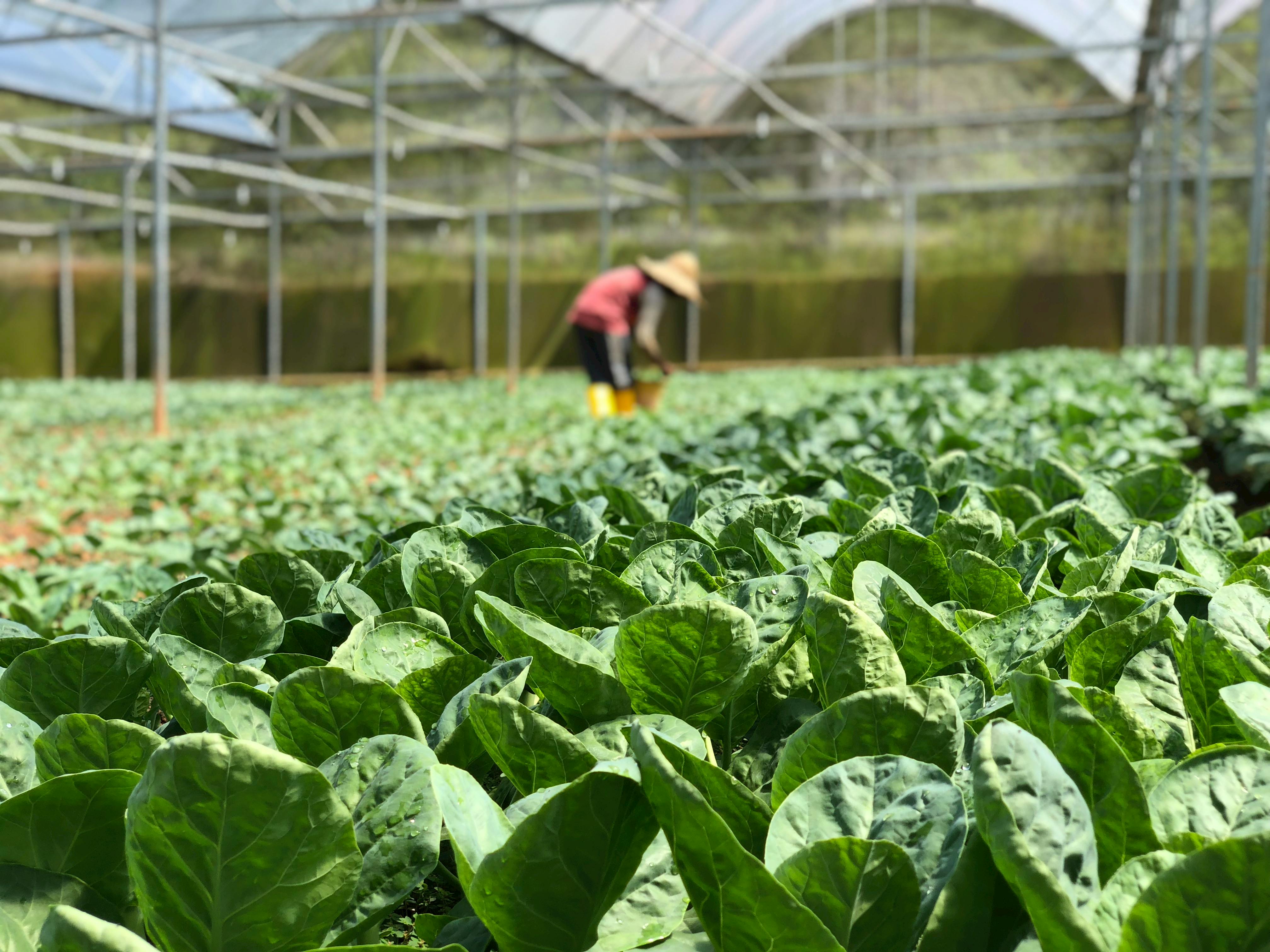
In recent years, the need for sustainable agriculture has become increasingly significant. As the global population continues to grow, the demand for food production rises, putting immense pressure on agricultural systems. One innovative solution that is making sustainable agriculture more accessible is the use of green planting pots. These eco-friendly alternatives not only reduce environmental impact but also enhance plant growth. This article explores how green planting pots can transform agricultural practices and contribute to a more sustainable future.
The Benefits of Green Planting Pots
Green planting pots offer numerous advantages for both small-scale gardeners and large agricultural operations. These benefits include:
- Reduced Environmental Impact: Made from recycled and biodegradable materials, green planting pots help minimize waste and promote a circular economy.
- Improved Plant Health: These pots provide better aeration and drainage, leading to healthier root systems and more robust plant growth.
- Versatility: Suitable for a variety of plants and settings, from indoor gardens to expansive outdoor farms.
- Cost-Effectiveness: Over time, the durability and reusability of these pots can lead to cost savings.
Discover expert strategies here.
Integrating Green Planting Pots into Agricultural Practices
Understanding the Material and Design
The design and materials of green planting pots are crucial to their effectiveness. Typically made from sustainable resources like coconut coir, bamboo, or recycled plastics, these pots are engineered to support optimal plant growth. The porous nature of these materials allows for excellent water retention and root aeration, which are essential for healthy plants.
Learn about our tailored solutions here.
Practical Application in Different Settings
Green planting pots can be seamlessly integrated into various agricultural settings:
- Urban Farming: Perfect for rooftop gardens and community plots, where space and environmental considerations are paramount.
- Traditional Agriculture: Ideal for supplementing soil-based farming, especially in regions facing soil degradation.
- Greenhouses: Enhance controlled environments with pots that contribute to the sustainability of the operation.
Explore advanced guides and tips here.
The Future of Sustainable Agriculture
As the push towards sustainable practices continues, the role of green planting pots in agriculture is set to expand. By investing in these eco-friendly solutions, agricultural systems can become more resilient and less damaging to the environment.
Find out more about this approach here.
By embracing sustainable solutions, such as green planting pots, the agricultural sector can meet the challenges of the future while preserving the planet for generations to come. With the right strategies and tools, sustainable agriculture is not only possible but also practical and economically viable.