Top Tips for Professional Artificial Grass Installation
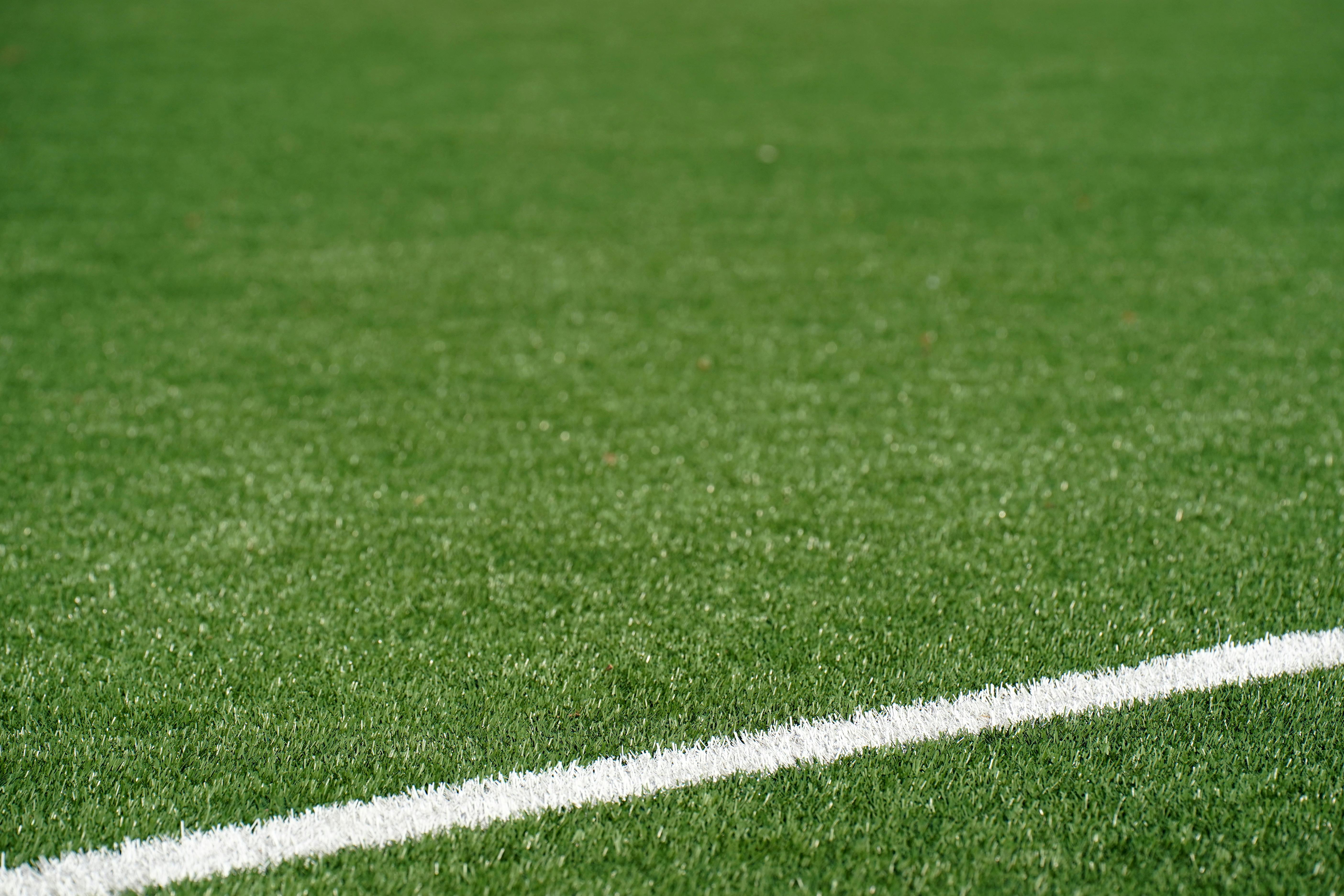
Artificial grass offers numerous benefits, from reducing water usage to creating a lush, green space that requires minimal maintenance. Installing artificial turf can transform any outdoor area into a beautiful, durable surface suitable for various activities. While the process might seem straightforward, achieving a professional finish requires attention to detail and a methodical approach. This guide provides essential tips and insights to help ensure a successful artificial grass installation.
Preparation: Laying the Groundwork
Proper preparation is crucial to achieving a flawless artificial grass installation. The groundwork forms the foundation for the entire project, influencing both the appearance and longevity of the turf.
- Remove Existing Grass: Begin by clearing the area of any natural grass, weeds, or debris using a sod cutter or shovel.
- Level the Surface: Ensure the ground is level and free of bumps. A smooth base is vital for an even final appearance.
- Install a Weed Barrier: To prevent weed growth, lay a high-quality weed barrier fabric over the prepared ground.
- Create a Base Layer: Use a mixture of crushed stone and sand, compacted thoroughly, to create a stable base.
For more detailed guidance on preparation, discover expert strategies here.
Choosing the Right Turf
Selecting the appropriate artificial grass is a critical decision. The right turf will complement the intended use and aesthetic preferences.
Factors to Consider
- Blade Shape and Texture: Different blade shapes offer varying levels of softness and durability. Choose according to the expected foot traffic and personal preference.
- Color and Pile Height: Select a color that suits the environment and a pile height that meets aesthetic desires and functional needs.
- Backing Quality: High-quality backing ensures longevity and helps with drainage. Opt for a durable and permeable backing material.
To understand more about selecting the right turf, learn about our tailored solutions.
Installation Techniques
Employing proper installation techniques is essential for a seamless and professional-looking artificial grass landscape.
- Cutting and Fitting: Cut the turf to fit the designated area precisely. Use a sharp utility knife for clean, straight edges.
- Seaming: If multiple pieces are used, ensure seams are joined with quality seam tape and adhesive. Align fibers for a natural look.
- Securing: Use landscape spikes or staples around the perimeter and at seams to secure the turf firmly.
- Infill Application: Apply infill material evenly to support the turf blades upright and improve drainage.
For comprehensive installation advice, explore advanced guides and tips.
Maintenance and Care
Even though artificial grass requires less maintenance than natural grass, some care is necessary to keep it looking pristine.
- Regular Cleaning: Remove debris and rinse the turf regularly to prevent dust buildup and maintain its appearance.
- Brushing: Periodically brush the artificial grass with a stiff broom to keep the fibers upright and even.
- Inspecting Seams: Check seams periodically to ensure they remain intact and secure.
- Addressing Stains: Clean spills promptly with mild soap and water to prevent staining.
Find out more about this approach to maintaining your artificial turf by visiting this resource.
By following these structured steps and employing precise techniques, a professional-grade artificial grass installation can be achieved. Whether for a residential garden or a commercial space, these tips ensure a lush, green, and enduring landscape. For additional expert insights and personalized advice, explore the comprehensive resources available online.