Expert Hazardous Tree Removal by Certified Contractors
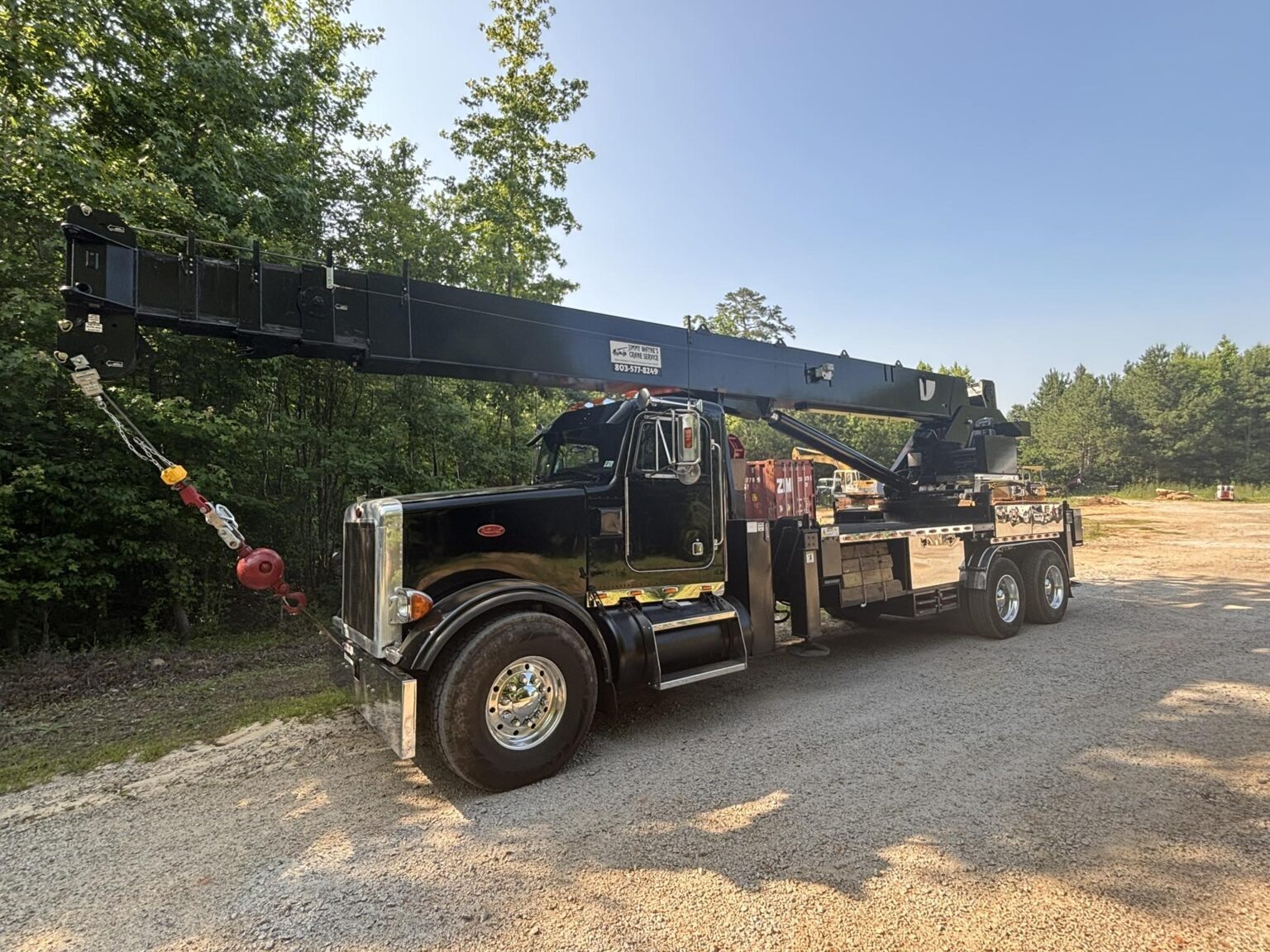
Trees are a vital part of our ecosystem, providing numerous benefits such as improving air quality, offering shade, and enhancing the aesthetic appeal of a landscape. However, trees can become hazardous due to disease, storm damage, or simply because they are growing too close to structures. In such cases, professional hazardous tree removal becomes necessary to ensure safety and preserve property. Certified contractors are equipped with the skills and knowledge required to handle these complex tasks, ensuring that the process is carried out efficiently and safely. This article explores the importance of expert hazardous tree removal, the qualifications of certified contractors, and the step-by-step process involved in such operations.
Why Hazardous Tree Removal is Essential
Hazardous trees pose significant risks to both people and property. Some of the dangers include:
- Falling branches or entire trees can cause serious injury or even fatalities.
- Damage to homes, vehicles, and other structures can occur.
- Diseased trees can spread pests and pathogens to healthy vegetation.
Addressing these risks proactively through expert tree removal can prevent accidents and mitigate potential property damage. Read more about this topic.
The Role of Certified Contractors
Certified contractors play a crucial role in hazardous tree removal. Their expertise ensures that the process is handled with precision and care. Key qualifications include:
- Knowledge and Training: Certified contractors are trained in arboriculture and understand the biology, structure, and safety protocols involved in tree removal.
- Use of Specialized Equipment: Professional tree removal requires specialized tools and machinery, which certified contractors are proficient in using.
- Adherence to Safety Standards: Contractors follow strict safety guidelines to protect themselves, bystanders, and property during the removal process.
Learn more in this detailed guide.
Steps Involved in Hazardous Tree Removal
1. Assessment and Planning
The first step in hazardous tree removal is a thorough assessment of the tree’s condition and the surrounding environment. Certified contractors evaluate the risk factors and develop a strategic plan to safely remove the tree. This includes determining the best approach and identifying potential obstacles.
2. Execution of Removal
Once a plan is in place, contractors proceed with the actual removal. This involves:
- Securing the area to prevent unauthorized access and ensure safety.
- Using ropes, cranes, and other equipment to stabilize and control the tree during removal.
- Cutting the tree in sections, starting from the top, to minimize impact.
Explore further insights here.
3. Cleanup and Disposal
After the tree has been safely removed, the debris must be properly disposed of. Certified contractors are responsible for the cleanup and disposal, ensuring that the site is left tidy and safe. This may include chipping branches, cutting logs for firewood, or hauling away debris.
Find additional information here.
Conclusion
Expert hazardous tree removal by certified contractors is a critical service for maintaining safety and protecting property. Their specialized skills and adherence to safety standards ensure that even the most challenging tree removal tasks are completed efficiently and effectively. Whether dealing with a storm-damaged tree or one suffering from disease, certified professionals provide peace of mind through their comprehensive approach to hazardous tree management.